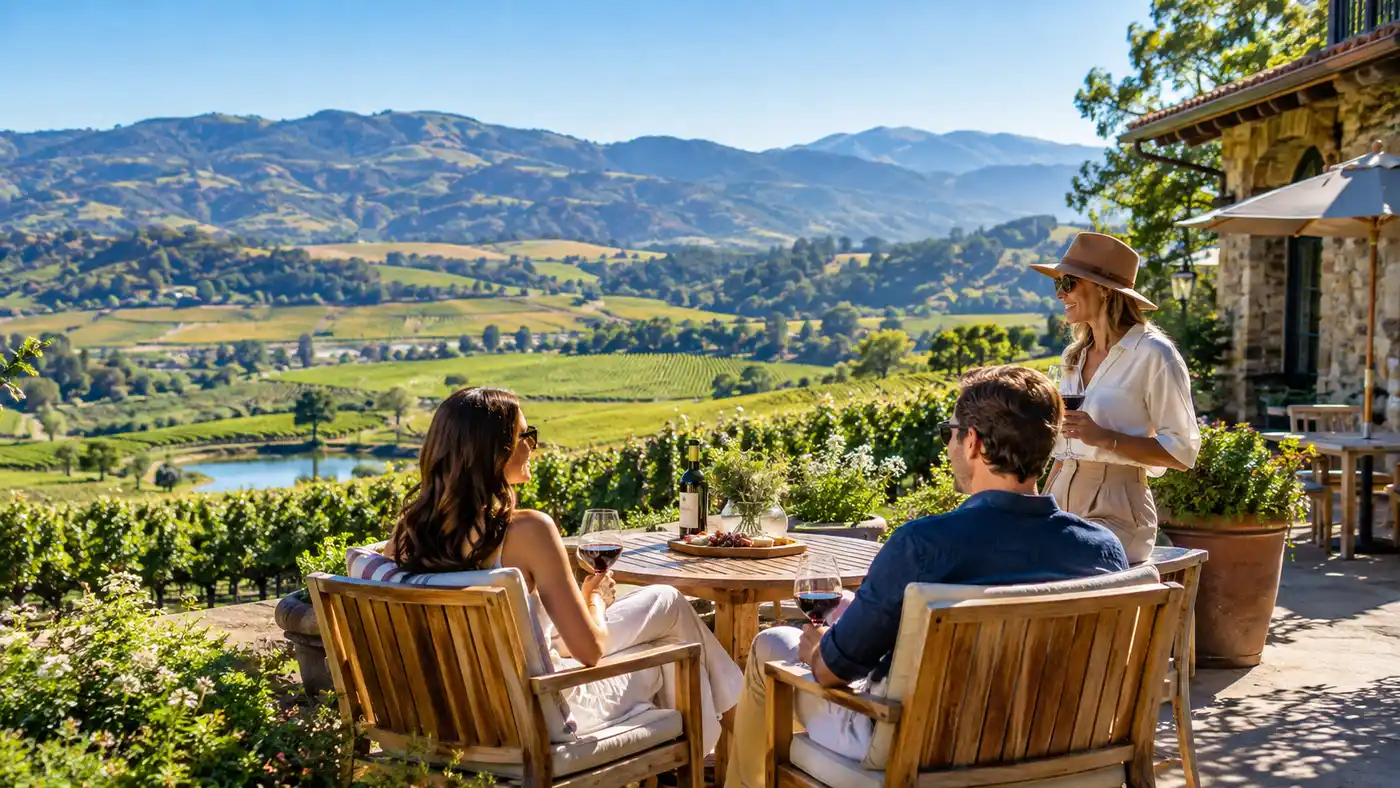
Best Boutique and Small Wineries in Napa Valley
Driving down Highway 29 on a sunny Saturday can turn your stomach if you hate crowds. Tour buses idle outside faux Tuscan castles, and tasting bars look like airport lounges during a holiday delay. If you want intimacy, discovering the best boutique wineries in napa changes everything about how you experience this valley. You leave the commercial circus behind and step into cool cellar rooms where the person pouring your glass usually pruned the vines three months ago.
Boutique here means something specific. We are talking about wineries producing between 500 and 5,000 cases of wine a year. At that scale, there is no marketing department. There are no gift shops selling branded aprons or grape-shaped bottle stoppers. You get gravel driveways, quiet vineyard blocks tucked against the Mayacamas bench, and honest conversations about clones and rootstocks. This guide walks through my favorite small producers, how to get through their doors, and why smaller bottles often tell a truer story of Napa terroir.
Book your napa valley wine tasting experience:
Why Seek Out Small Family Owned Wineries in Napa Valley?
Massive commercial estates make fine wine. Nobody disputes that. Yet when a corporation owns an estate, the hospitality feels rehearsed. The host repeats a script polished by a brand manager in Chicago. At small family owned wineries napa valley still feels like the agricultural enclave it was back in the 1970s.
Scale dictates everything in winemaking. When an operation only bottles 1,200 cases of Cabernet Sauvignon, every single barrel matters. A spoiled lot cannot be hidden away inside an 80,000-case blend. The winemaker cannot afford bad fruit, so farming gets obsessive. They pull leaves by hand to let morning sun hit the grape clusters. They drop half their crop on the ground in August just so the remaining bunches soak up all the vine nutrients. You taste that neurotic focus in the glass.
Note: Small production wineries in Napa operate under strict county permits allowing only a handful of guests each day. Walk-ins do not work here, so plan ahead.
Visiting these places feels less like a transaction and more like being invited into someone's private home. Sometimes you sit on an old redwood deck overlooking dusty farm equipment. Other times you walk between concrete eggs and steel tanks while dogs trot beside you. It is personal, grounded, and refreshing.
Top Boutique Wineries in Napa for Intimate Tastings
I have spent years exploring Napa back roads, hunting for spots that do not show up on generic top-ten tourist lists. A few standout producers consistently deliver remarkable wine alongside genuine hospitality.
Corison Winery sits right off Highway 29 in St. Helena, but its barn-like winery could not be more different from its flashy neighbors. Cathy Corison has been making benchmark, restrained Cabernet Sauvignon since 1987. While Napa went through its phase of ultra-ripe, high-alcohol fruit bombs, Cathy stayed true to low alcohol, bright acidity, and incredible aging potential. Walking through the Kronos Vineyard behind the winery - planted with gnarled old vines dating back to 1971 - gives you chills. The tasting here is quiet, civilized, and deeply educational.
Head south toward Oak Knoll and you find Hendry Ranch. George Hendry still walks the property in his dirt-caked work boots. His family has farmed this soil since 1939, and George understands the microclimates of his ranch like a surgeon knows anatomy. Visiting Hendry is like taking a masterclass in plant physiology and wine chemistry, but taught by your favorite eccentric uncle. He walks you through the blocks, explains how marine fog rolling off San Pablo Bay affects Pinot Noir differently than his Zinfandel, and then pours nearly a dozen wines across two hours.
Up in Chiles Valley, hidden behind the main valley ridge, sits Brown Estate. Founded by the Brown family who purchased the neglected ranch in 1980, they started out selling fruit to other wineries before making their own labels in 1996. Their estate Zinfandels are magnificent, showing spice, depth, and wild blackberry notes without being syrupy. They also have an intimate downtown Napa tasting salon, though visiting the quiet estate vineyard in the eastern hills remains the quintessential boutique napa winery experience.
Neal Family Vineyards on Howell Mountain deserves attention for anyone looking for the best organic wineries in napa valley. Mark Neal has farmed Howell Mountain biodynamically and organically for decades. Tastings here happen high above the valley floor among aromatic pine trees and volcanic soils. The Cabernets are powerful, structured, and need twenty years in a cellar to show their best, which Neal accommodates by pouring library vintages right out of their private cave.
Pro tip: Mountain roads leading to Howell Mountain, Spring Mountain, or Mount Veeder are windy and narrow. Add 20 minutes to whatever your navigation app estimates, especially if you get stuck behind a farm truck.
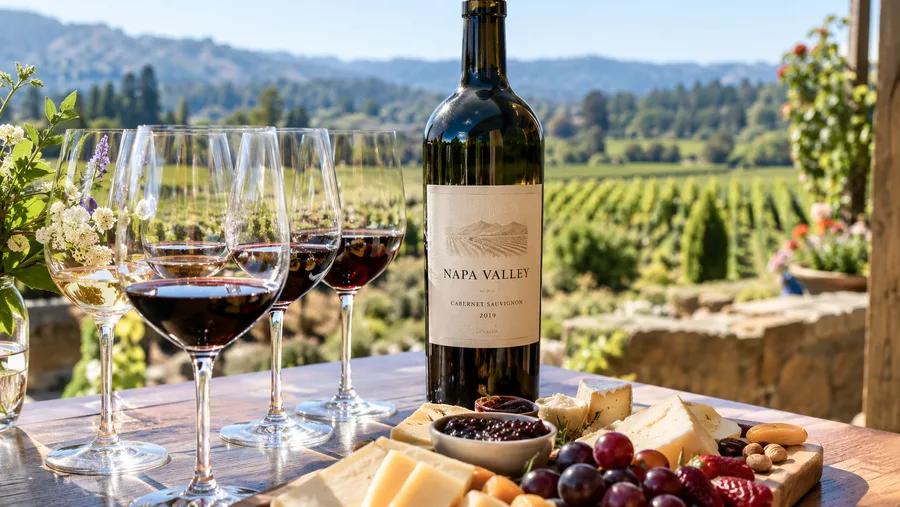
Comparing Small Vineyards in Napa: Production, Terroir, and Tastings
Choosing where to spend your tasting budget can get overwhelming when every estate claims to produce handcrafted luxury wines napa lovers covet. Understanding the scale and geographic quirks of each property helps you decide which ones match your palate.
| Winery | Subregion | Annual Cases | Tasting Fee | Primary Varieties |
|---|---|---|---|---|
| Corison Winery | St. Helena | ~3,500 | $85 | Cabernet Sauvignon |
| Hendry Ranch | Oak Knoll | ~12,000 | $50 | Zinfandel, Pinot Noir, Albariño |
| Brown Estate | Chiles Valley | ~5,000 | $75 | Zinfandel, Cabernet Sauvignon |
| Neal Family Vineyards | Howell Mountain | ~2,500 | $90 | Cabernet Sauvignon, Petite Sirah |
| Crocker & Starr | St. Helena | ~3,000 | $75 | Cabernet Franc, Sauvignon Blanc |
Notice how small these production figures are compared to the giants on the valley floor. Robert Mondavi or Beringer bottle hundreds of thousands of cases every single vintage. When you buy from a small napa valley wineries list, you are buying bottles you will almost never see on a grocery store shelf back home. Most of these wines leave the estate through allocation lists or direct shipping to mailing list subscribers. That rarity is part of why people seek them out, though the quality inside the bottle has to justify the search.
If you want to understand how valley floor gravel differs from mountain volcanic ash, consult our breakdown of the Napa Valley subregions and winery map. Microclimates dictate taste far more than brand reputation ever could.
Book your napa valley wine tasting experience:
How to Book Exclusive Napa Valley Wine Tastings
Securing reservations at exclusive wineries in napa requires a completely different approach than booking dinner on OpenTable. Many of these properties operate under county agricultural permits written decades ago that limit them to fewer than twenty guests each day. Some places only accept one party in the morning and one in the afternoon.
You cannot roll up to the front gate and buzz the intercom hoping someone takes pity on you. That used to work twenty years ago, but county inspectors now check visitor logs strictly. If a boutique estate lets you in without an appointment, they risk fines or losing their operating permit entirely.
- Email directly instead of relying solely on booking engines: Many boutique estates use platforms like Tock, but their most intimate appointment slots are held offline for members or dedicated collectors who write in.
- Book three months in advance for peak season: Harvest season runs from late August through October, and small winery slots vanish by late spring.
- Mention your wine preferences honestly: Tell them if you collect Cabernet Franc or love high-acid whites; boutique owners love matching visitors with specific staff who share those obsessions.
- Keep groups small: Groups larger than six people get turned away by boutique producers because their tasting tables simply cannot fit them.
When you map out your days, do not cram four tastings into one afternoon. It ruins your palate and turns what should be a peaceful afternoon into an exhausting race down the Silverado Trail. Sticking to two thoughtful visits a day leaves room for lunch, spontaneous detour drives, and long conversations. Take a look at our Napa Valley wine tasting itinerary guide to see how to pace a day without burning out before dinner.
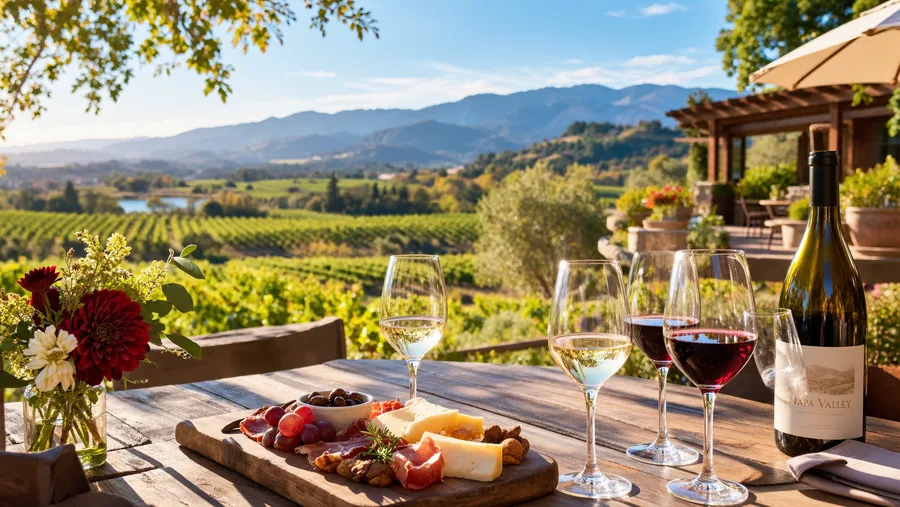
Etiquette and Expectations at Small Production Wineries Napa
Visiting a high end winery napa can feel intimidating if you have never done it. You wonder which glass to hold, whether you have to swallow every drop, or if you will be pressured into signing up for an expensive quarterly shipment. The reality is much friendlier, provided you follow basic wine country decorum.
Tasting fees at boutique estates range from $50 up to $150 or more for executive wine tasting napa valley packages that include barrel pulls and library pours. People often ask me if they are obligated to buy wine on top of paying a tasting fee. You are not obligated. But small wineries depend on bottle sales to keep their lights on. If the host opened five bottles of $150 Cabernet for you and your spouse, walking out without buying a single bottle leaves a bitter taste, even if your tasting fee covered the raw wine cost.
- Spit or dump without guilt: Nobody gets offended when you spit wine into the dump bucket; professionals do it on every sip so they can evaluate five wines without stumbling into the afternoon.
- Skip cologne and perfume: Scent is eighty percent of tasting wine, and strong aftershave ruins the room for everyone nearby.
- Be upfront about buying interest: If you are simply there to learn and explore, that is fine, but do not pretend you want three cases shipped home just to get extra pours.
- Ask thoughtful questions: Small makers love talking about drought years, cover crops, and wild yeast fermentations.
I remember sitting in a modest tasting room near Calistoga years ago. The owner brought out a dusty bottle from 1999 without a label, just chalk written on the glass. He poured it because we had spent twenty minutes talking about how the cooler summer of that year influenced the tannins. You do not get those magical moments at a bar where forty people are waiting behind you to get their passport stamped. That intimacy is what makes boutique wine hunting worth every penny.
Frequently Asked Questions about boutique wineries in napa
What qualifies as a boutique winery in Napa Valley?
Most industry experts consider wineries producing under 5,000 cases annually to be boutique. These estates focus on estate-grown fruit, hand harvesting, and small-batch fermentations rather than volume production.
Are tastings at boutique wineries more expensive than large estates?
Tastings at boutique wineries usually cost between $60 and $125 per person. While not cheap, the fee almost always includes private or semi-private hosting, seated service, and higher-tier wines than standard commercial bars offer.
Do boutique wineries in Napa waive tasting fees if you buy wine?
Many small wineries waive one tasting fee per minimum purchase, typically requiring two to three bottles or a wine club sign-up. However, policies vary, so checking beforehand prevents awkward billing moments.
Quick Reference
- Average annual production: 1,000 to 5,000 cases
- Average tasting fee: $60 - $125 per guest
- Reservation window: 4 to 8 weeks in advance
- Ideal group size: 2 to 4 people
Book your napa valley wine tasting experience:
The Bottom Line
Napa Valley can sometimes feel like an amusement park for adults, but the soul of the valley still lives inside its smallest vineyards. When you skip the big names and seek out the quiet, independent growers farming their own dirt, you see a completely different landscape. The wines have personality, the conversations are real, and you leave with bottles that carry genuine memories instead of supermarket labels. Start reaching out to a few small producers a few months before your next trip, take your time between stops, and savor the slow side of wine country.
Read more about napa valley wine tasting.